The 2026 Illinois homeowner's guide to going solar.
Programs changed. Utility rules keep evolving. Here is what to look for in a modern solar proposal, and which old talking points no longer apply.
Read the field guide ↗GUIDE
Clear articles on solar technology, savings math, incentives, and the fine print, written for Illinois homeowners.
Get a home-specific estimate
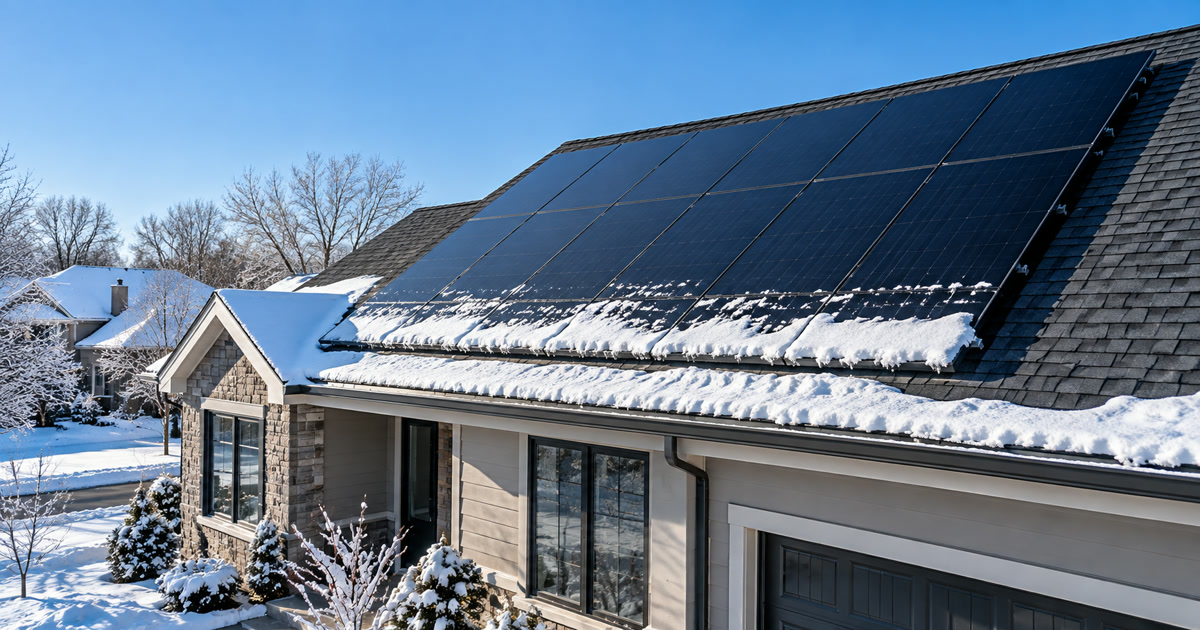
01Cold can help panel efficiency, while shorter days, clouds, and snow reduce monthly output. See a month-by-month Chicago production model.
02Illinois Shines, Solar for All, utility rebates, net billing, property-tax treatment, and the federal rules that changed for 2026.
03The real rules behind Illinois' no-upfront-cost solar program: income limits, guaranteed savings, approved companies, and current funding windows.
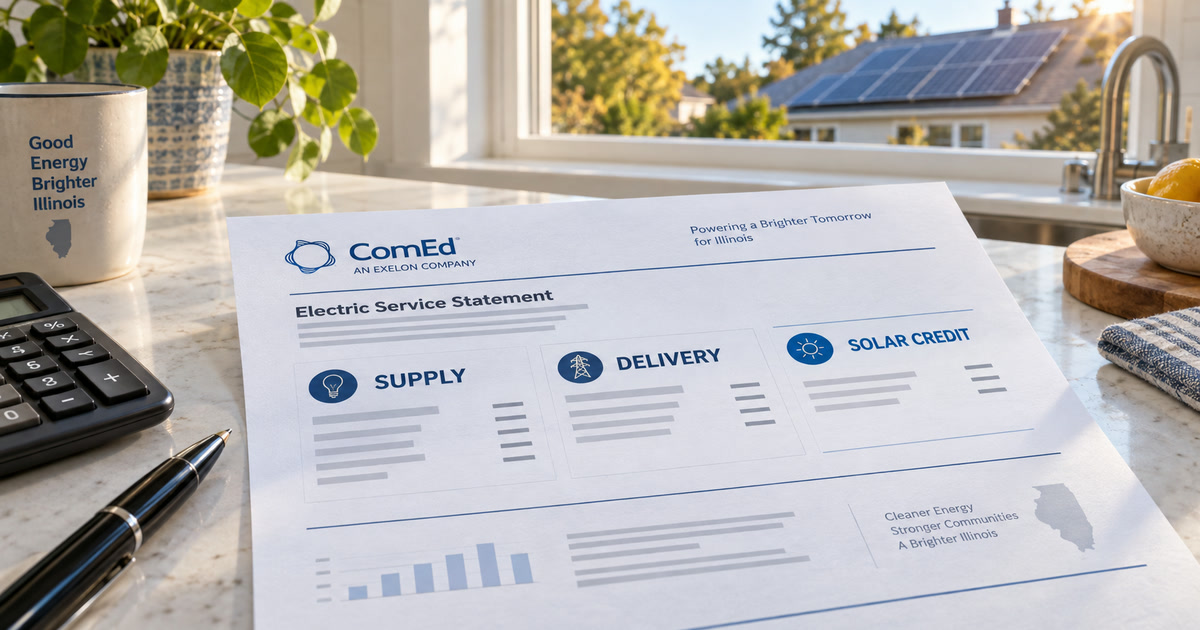
04Full-retail credits ended for new ComEd solar customers after 2024. Here is how supply credits, rollover, self-consumption, and hourly pricing work now.
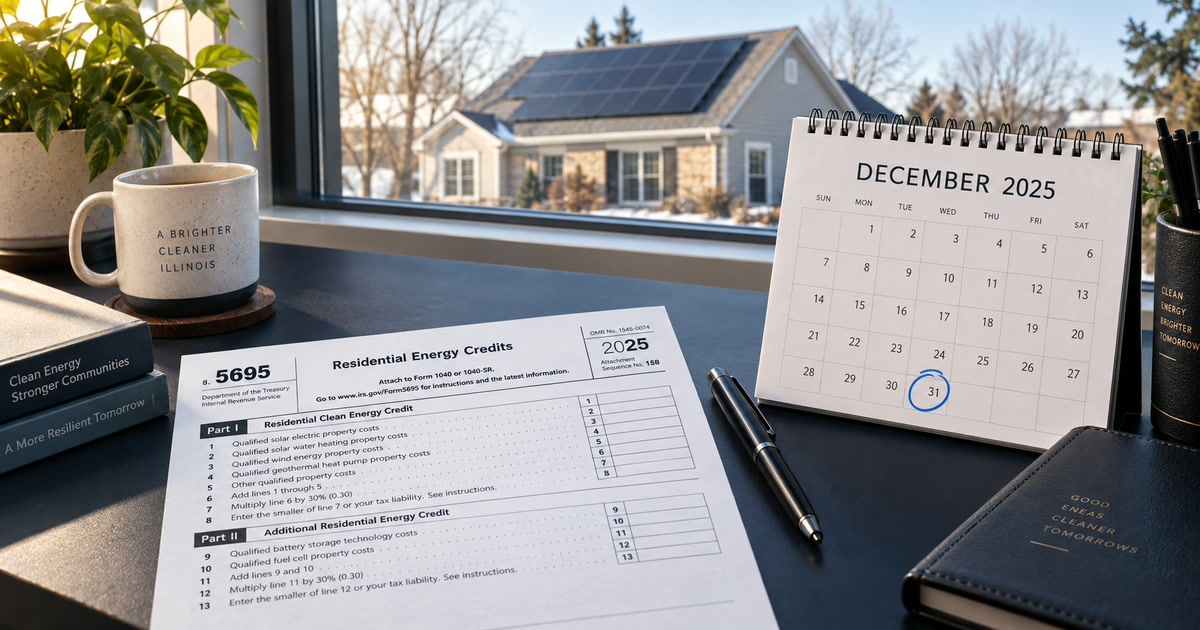
05The homeowner credit ended after 2025, while eligible third-party-owned systems follow different federal rules. What changed and which Illinois programs remain.
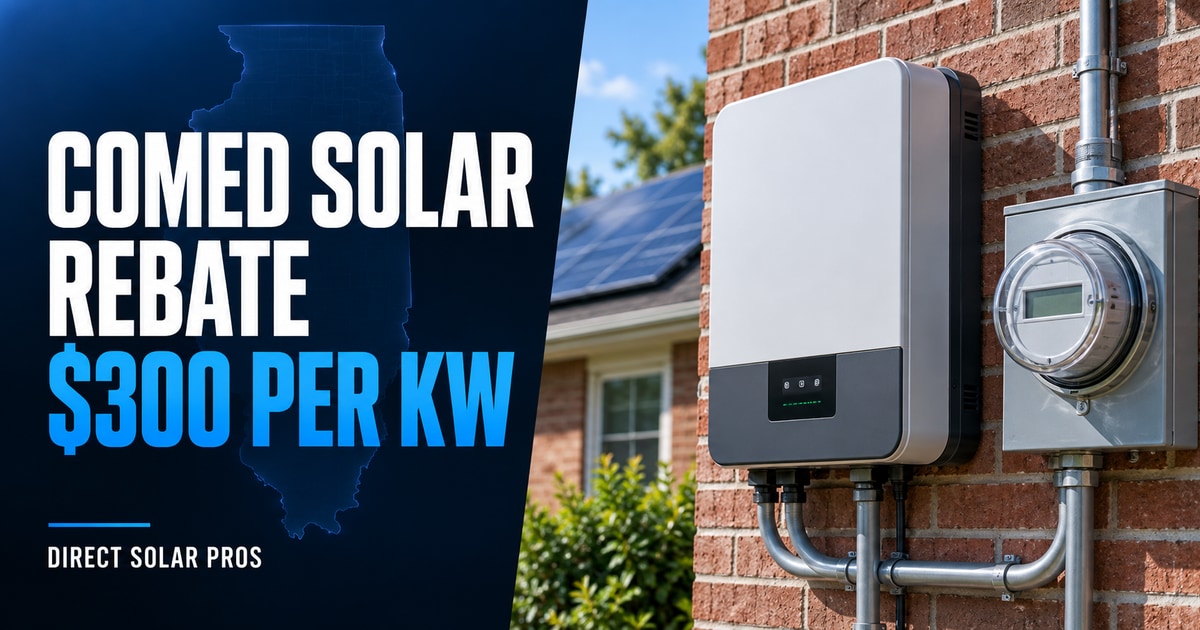
06A one-time check from the utility, tied to your inverter settings and a filing that has to happen in the right order. Who qualifies and when to apply.
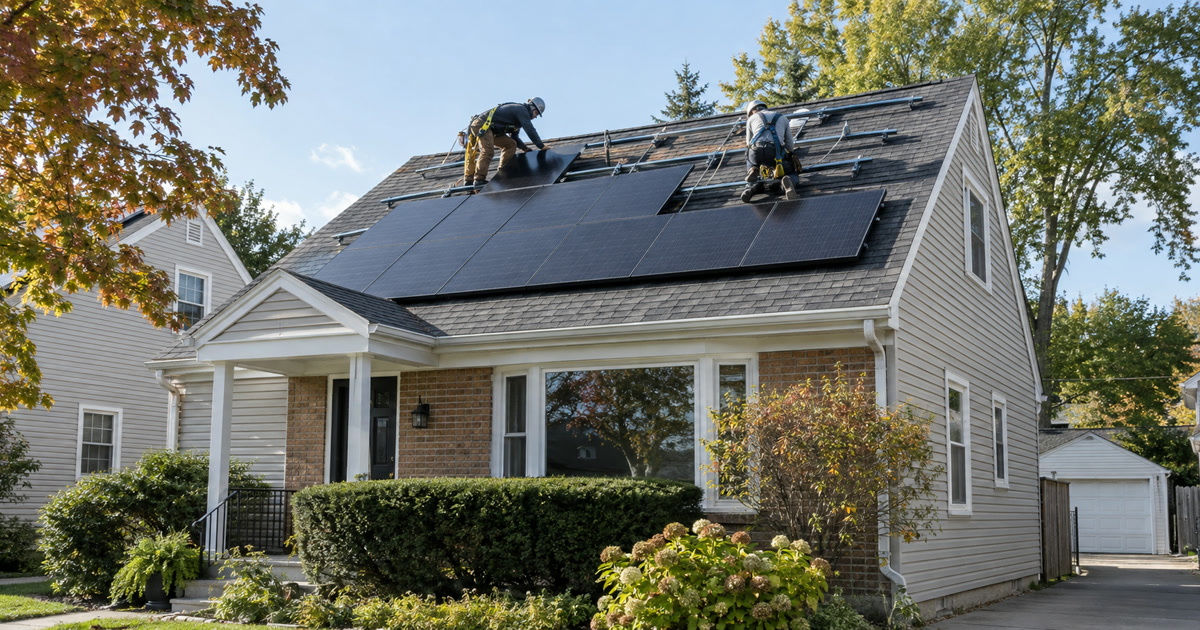
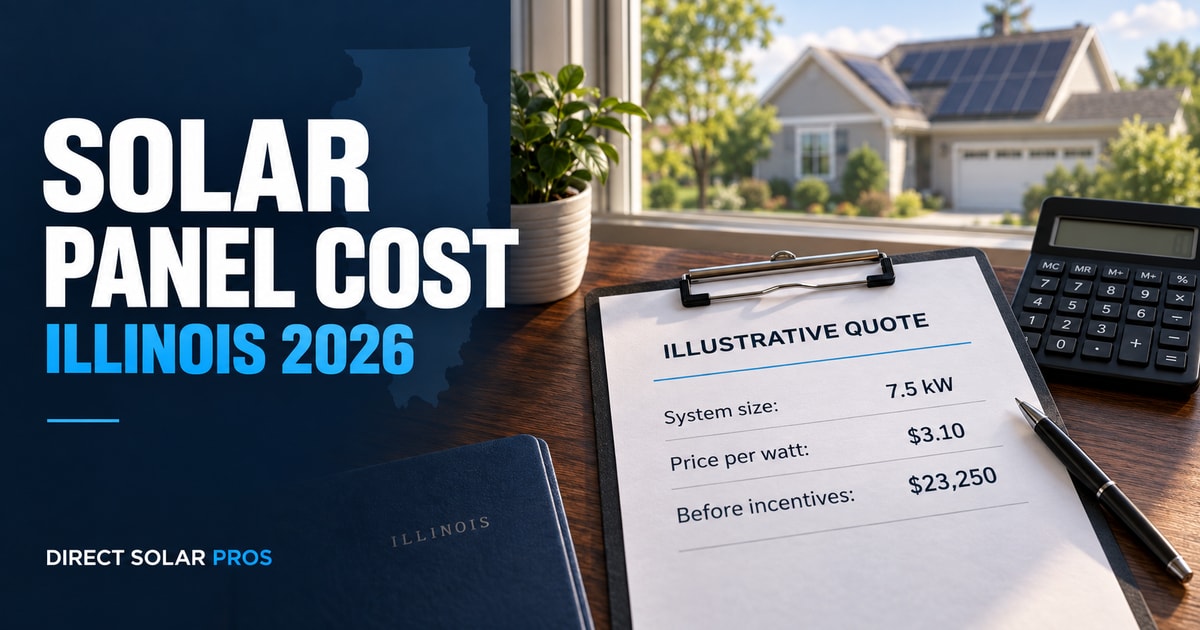
07Compare price per watt, cash versus financed quotes, and the Illinois incentives that change your effective cost. A worked example with the assumptions explained.
08How utility REC contracts work, current Group A and Group B prices, payment timing, and what Approved Vendor and Designee status mean.
09The federal credit is gone, ComEd rates are up, and Illinois Shines remains available for qualifying projects. What a defensible payback model must include.
Programs changed. Utility rules keep evolving. Here is what to look for in a modern solar proposal, and which old talking points no longer apply.
Read the field guide ↗Program rules change through the year. Check article dates and verify current terms before deciding.
Browse every FAQMuch of the content focuses on Illinois programs, utilities, weather, and homeowner decisions. Technology and proposal-reading articles may also apply more broadly.