
UTILITY
Available service
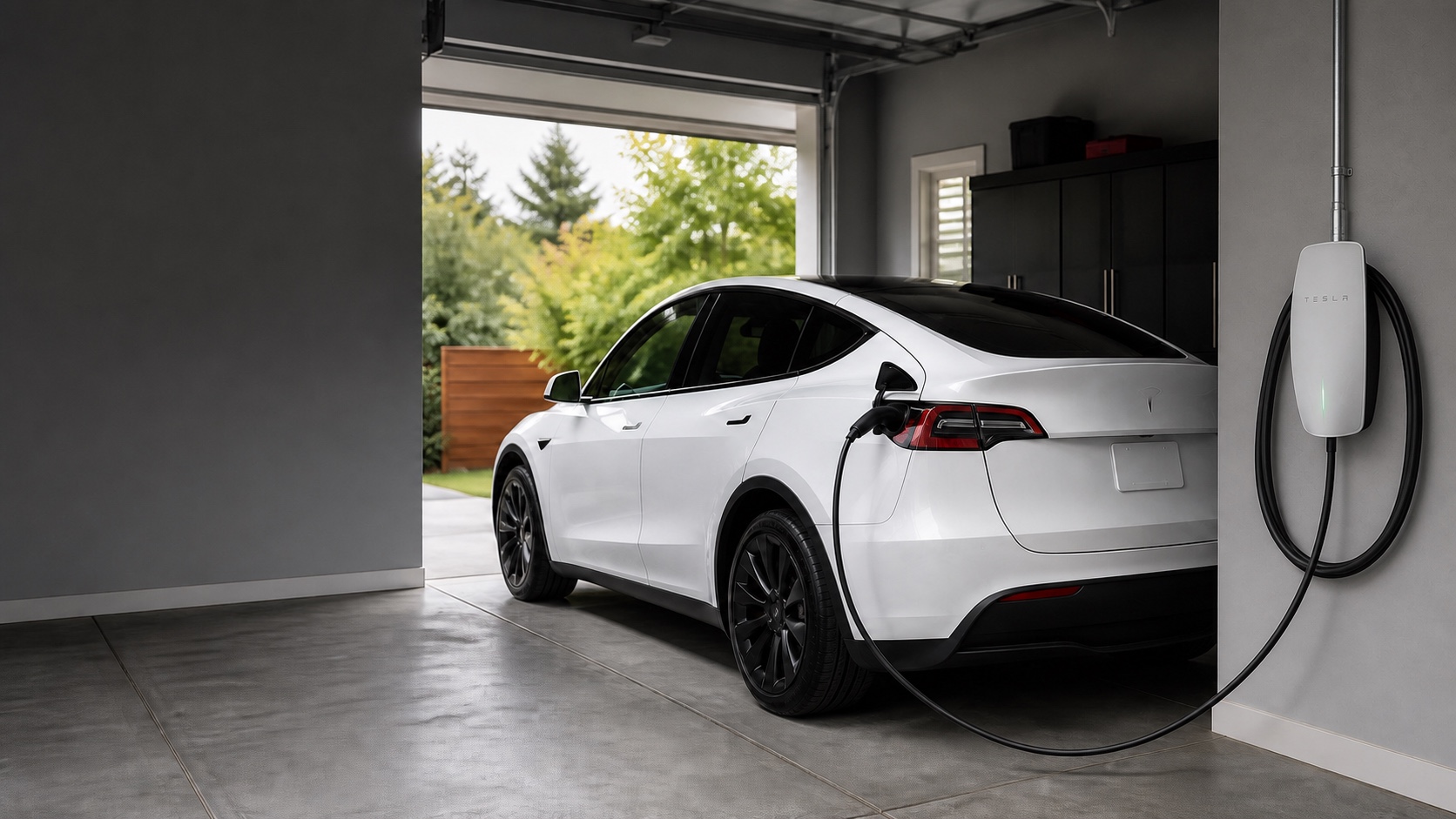
A home charging setup planned around your vehicle, your daily driving, and what your electrical panel can actually handle.
Configure home chargingHome charging should be sized to your daily miles, your vehicle, and your panel's capacity, not the biggest charger on the shelf.
Each one limits or unlocks the next.
Available service
Capacity + breakers
Output + controls
Battery + schedule
The goal is simple: replace the miles you drove today before you leave tomorrow. Scheduled charging does that work overnight, when the car is parked anyway and rates can be lower.
Plug in once. The vehicle can wait for the planned start time.
The circuit, charger, and vehicle work together inside the available window.
The goal is enough range for the next day, not maximum output for its own sake.
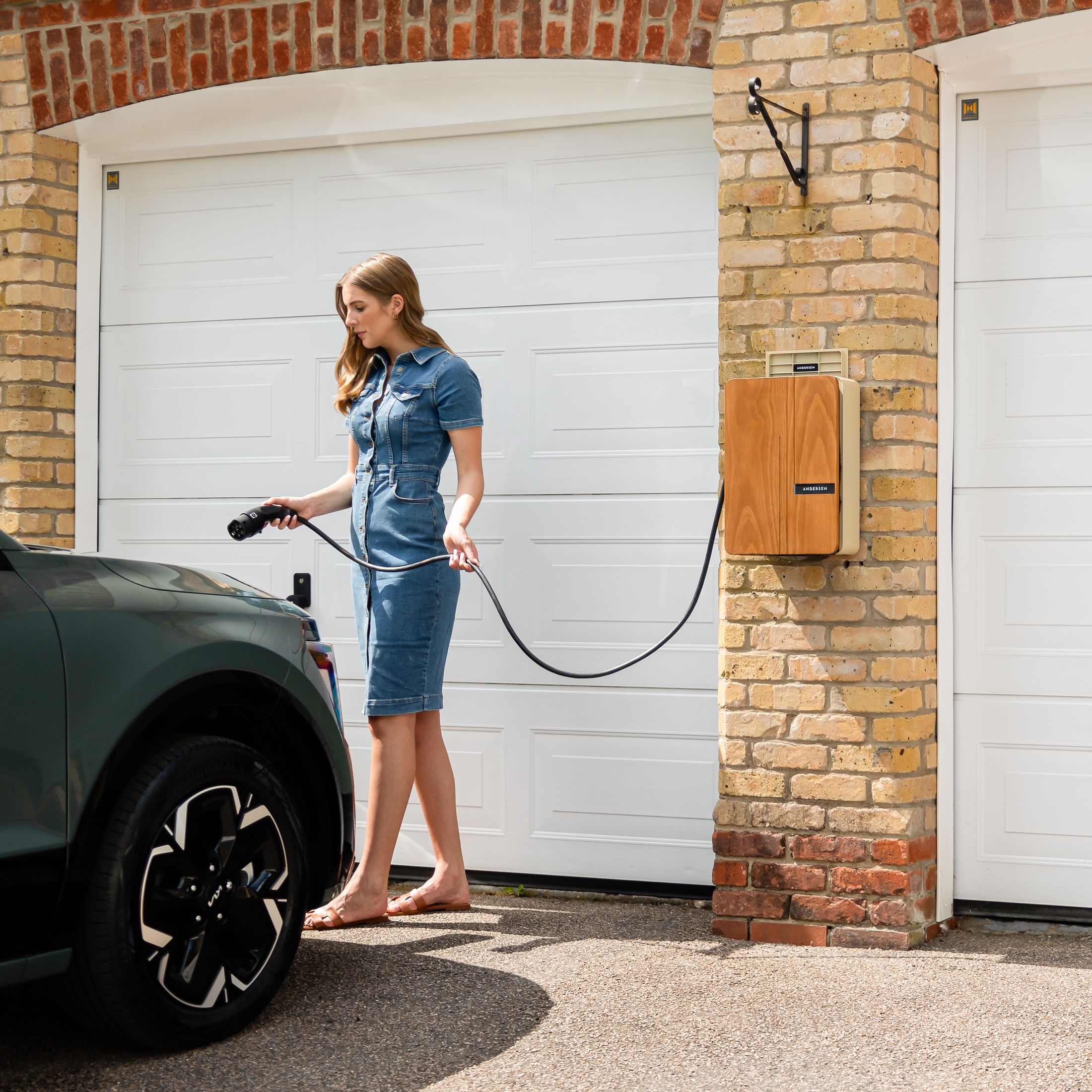
Charging speed is only part of the decision. The right plan also considers how far you drive each day, how long the car sits at home, your panel's capacity, where the charger goes, and whether solar is part of the picture.
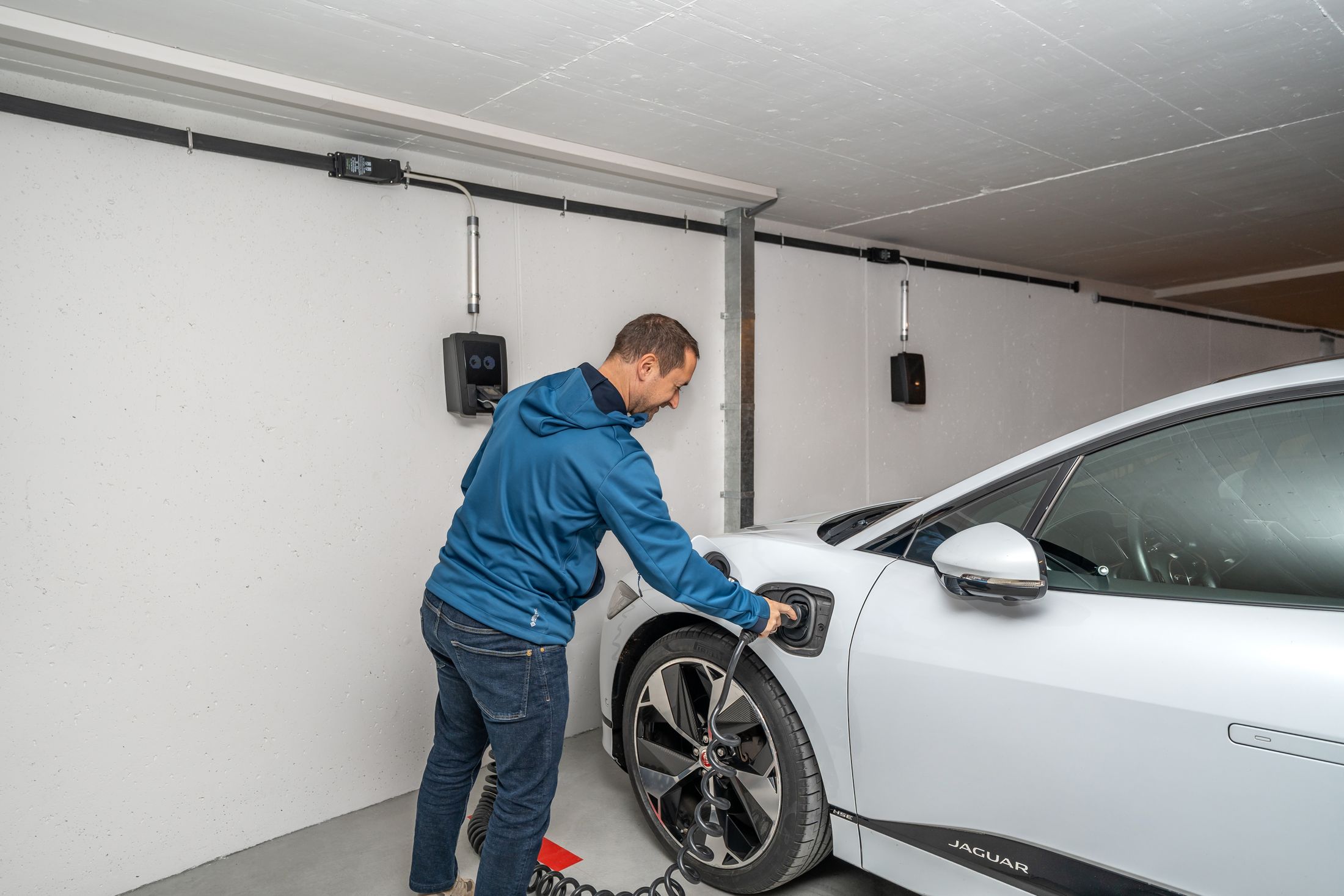
The right electrical path comes from the home’s actual capacity, loads, parking location, and charging goal. A qualified installer confirms the final circuit and code requirements on site.
Available capacity and existing household loads
Breaker space, rating, condition, and location
Where the vehicle consistently rests overnight
Distance, routing, protection, and cable reach
Connector, onboard limit, controls, and future plans
Document the vehicle, driving pattern, and desired charging experience.
Identify the panel, parking location, cable path, and likely electrical scope.
Review compatible charger capabilities without paying for features the home cannot use.
A qualified electrical partner confirms the final scope, permits, and installation.
Tell us your vehicle, send a photo of your electrical panel, and note where you park. That's enough to start planning the right setup.
Plan my home chargingStart with the common questions, then verify the equipment, home, provider, and utility details for your project.
Browse every FAQIt depends on the vehicle, battery size, daily mileage, time parked at home, and electrical capacity. The fastest charger is not automatically the best fit.