
Your home and energy goals.
- Electric usage
- Roof and property details
- Budget and priorities
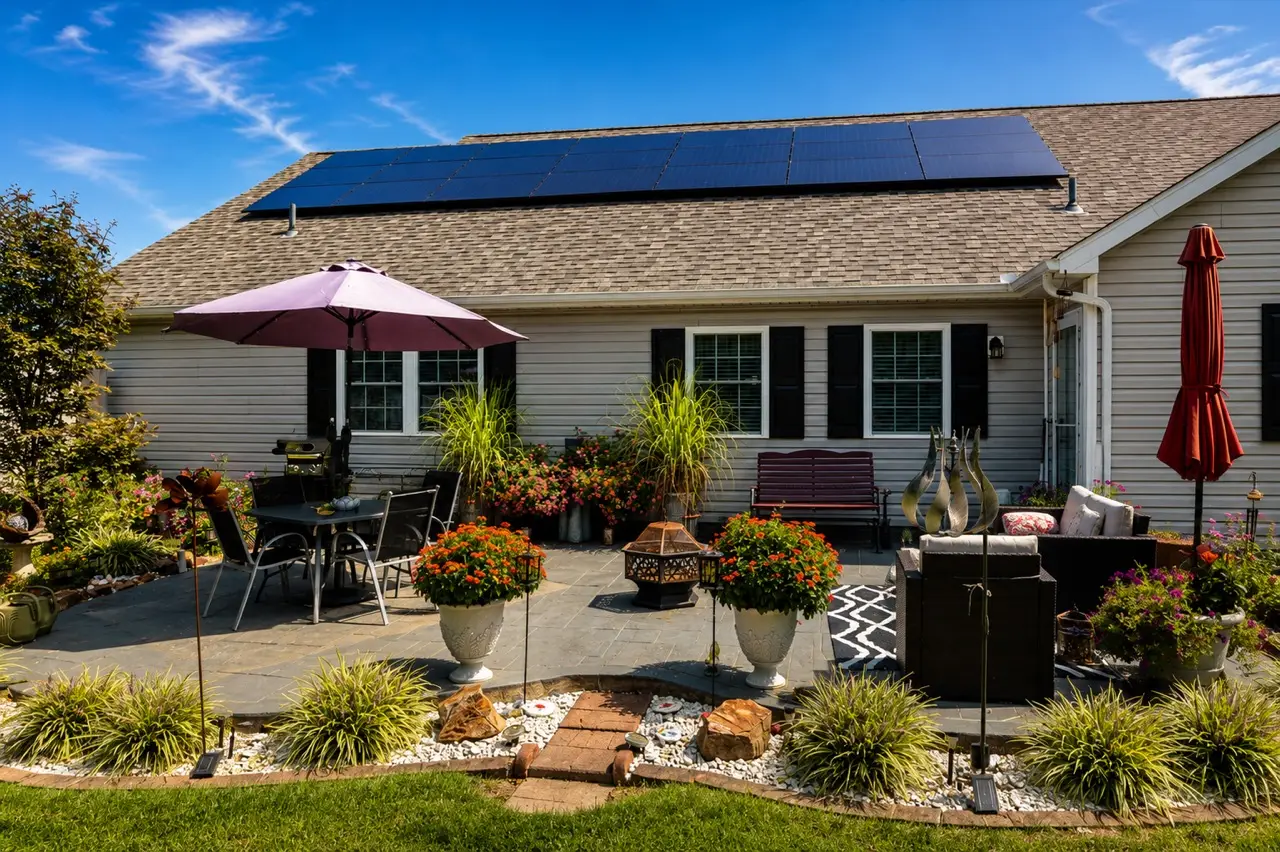
Direct Solar Pros helps Illinois homeowners find out what solar would really cost and save for their home, before anyone asks you to sign anything.
Direct Solar Pros helps Illinois homeowners decide whether solar fits their home and budget. We turn the electric bill, roof, incentives, and payment options into one clear plan, then coordinate the project with qualified installation partners.
 Bill baseline
Electricity used inside the home while the panels are producing can reduce electricity purchased from the utility. Electricity exported to the grid receives the utility's applicable credit, which may be worth less than electricity used directly.
Set the slider to your average monthly electric bill to see the annual baseline. A savings estimate requires twelve months of usage plus the roof, production, utility, financing, incentives, and remaining grid charges.
A bill alone is not a savings or payment estimate.
*A bill amount alone cannot support a solar payment or savings estimate. A proposal must use actual usage, roof conditions, production, utility rules, financing, incentives, and remaining utility charges.
Here's how we build your estimate, from your actual bill and your actual roof, not regional averages.
 Illustrative image
Twelve months of real usage tells us how much energy your home actually needs, with no guessing from square footage.

Sun exposure, shade, pitch, and usable roof space determine how much power your home can produce.
 Illustrative image
We put cash and financing side by side, with every number explained, so you can decide what fits.


The same home, photographed from the same side, before and after the rooftop system was installed. Drag the slider to compare.
Rooftop and ground-mount systems across the state. Every roofline is different, and every design starts with the home in front of us.
Your consultant walks you through the equipment, the layout, and the numbers before you decide anything.
A state-administered program in which contracting utilities purchase Renewable Energy Credits from qualifying projects through Approved Vendors. Any customer benefit depends on the Disclosure Form and agreement.
ComEd and Ameren offer rebates for qualifying solar and home-battery installations.
Pay cash or finance the system. We show you both paths with real numbers so you can pick what fits your budget.
Compare quotes and learn how much solar costs in Illinois.
Your utility bill is what you pay now. It tends to rise over time as rates go up, and it never ends.
A solar proposal may include a cash purchase, loan, lease, or power purchase agreement. Payment terms, changes, fees, and remaining utility charges depend on the offer.
We put both side by side so you can see whether the switch actually makes sense for your home.
An example of what the side-by-side can look like.
Keeps going up as utility rates increase
Price, production, financing, incentives, and remaining utility charges must be modeled for the home
The utility amount is an example only. A valid solar comparison is built from your usage, roof, utility, system design, and exact contract terms.
See how solar savings workFour free resources to help you understand solar fit, pricing, and the right questions to ask any solar company, including us.
Answer a few quick questions to see whether your home is a good candidate for solar.
See what solar actually costs in Illinois and what changes the price.
View Illinois pricing ↗Download our free eight-page guide to going solar in Illinois.
Download the guide ↓Guides for before and after you sign: proposals, paperwork, and who to call.
Browse resources ↗Pick your region for local details on utilities, rates, and incentives where you live.
See the statewide overviewQuick answers to the big questions. Your estimate fills in the details for your home.
Do solar panels work in winter?An electric bill amount alone cannot support a solar payment or savings estimate. A real comparison needs twelve months of usage, the roof, shade, production, utility rules, equipment, financing, remaining charges, and current program eligibility.